Write down four numbers
Litter per month. Bags or cassettes per month. Liners or trays per year. Carbon filters per year. Multiply by three years and add the machine.
Where the differences are largest
Proprietary trays and cassettes. A machine sold near cost and repaid in refills can cost more over three years than one that looked twice the price.
The escape route
Several tray systems sell a reusable tray. It costs more once and far less thereafter, and the only thing you give up is never touching the litter.
What the arithmetic misses
A refused box costs everything. Acceptance first, cost second.
The questions owners ask
Which system is cheapest to run?
A drum machine using ordinary clumping litter and standard bin liners. The most expensive is a tray system with proprietary disposable trays and crystal litter — which is also the one that requires the least handling.
Is the liner on a drum machine a hidden cost?
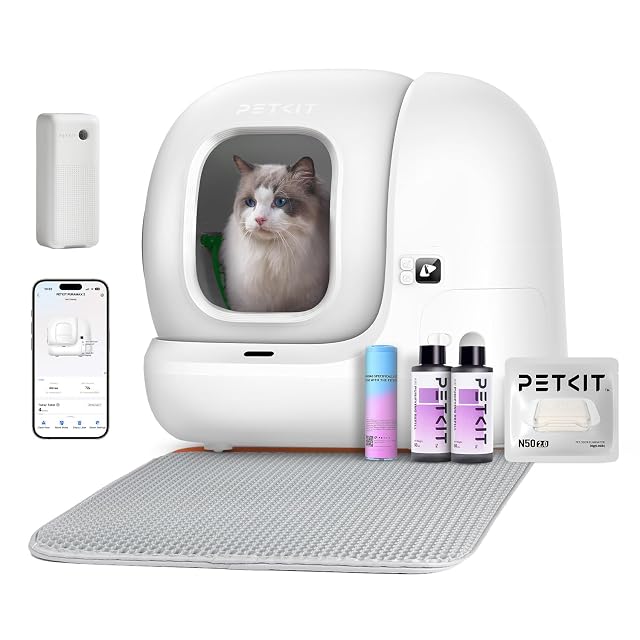
It is a real one. PETKIT specifies replacing its tri-proof liner every 20 to 30 days, which is 12 to 18 a year. That is far less than a tray system, and it is not nothing.
Last reviewed 2026-08-17