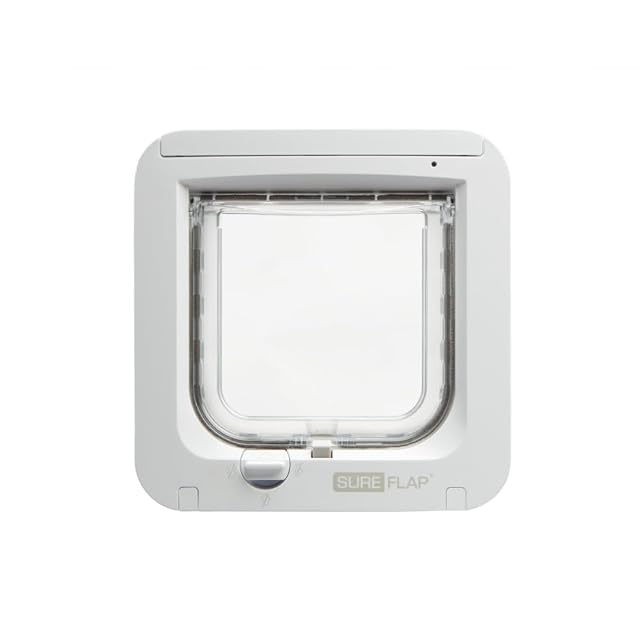
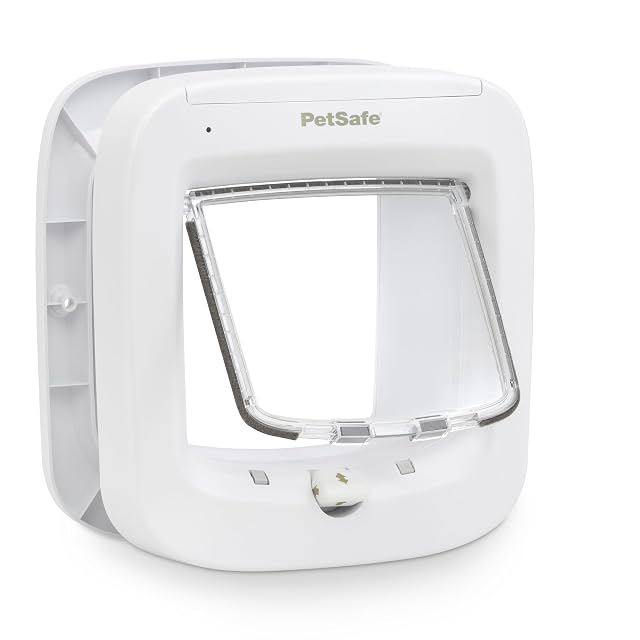
Before you cut anything
Read the chip number. Fifteen digits is the modern standard and works with every flap we review; 9 or 10 digits is an older type that only some models accept. A vet reads it in seconds.
Fit low
The bottom of the flap at roughly chest height, not head height. Cats step through flaps; they do not like climbing into them.
Prop it open for three days
Tape the flap up so the cat learns the hole before it learns the door. Then let it drop closed with the lock open, then set the modes.
Register every cat, including the one that never goes out
An unregistered cat that gets outside cannot get back in, and that is the scenario the whole system exists to prevent.
This does not replace your machine’s manual. Sensor thresholds, cycle delays and temperature limits differ between models, and the manufacturer’s instructions for yours take precedence over anything written here.
The questions owners ask
What height should the flap be?
Low enough that the cat steps through rather than climbs — the usual guidance is the bottom of the flap at about the cat’s chest height. Fitted too high, an older cat will stop using it long before you notice why.
The door read the chip yesterday and not today. Why?
Chips move, and a cat that approaches at a different angle presents it differently. If it becomes intermittent, an RFID collar tag costs a tenth of a new door and solves most of these cases.
Last reviewed 2026-08-17