Skip to content

BoxiePro Bot probiotic, 16 lb

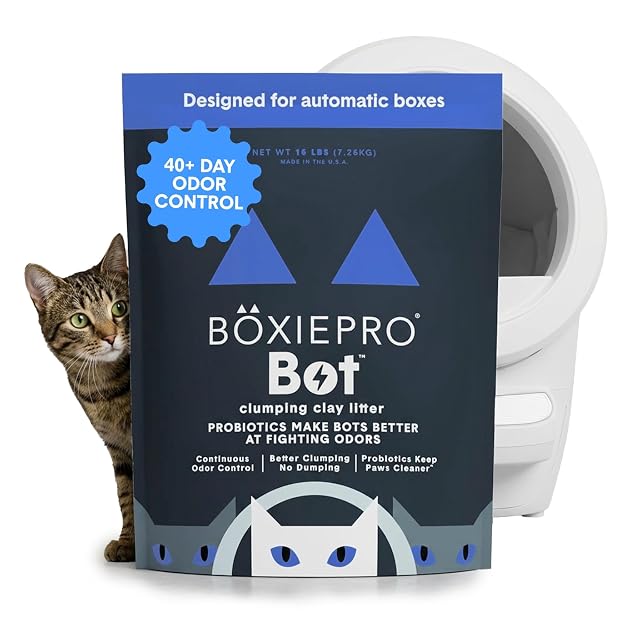
A low-dust probiotic clay litter for automatic boxes, claiming forty days of odor control by targeting bacteria rather than masking.

BoxiePro Bot probiotic clumping cat litter for automatic litter boxes

BoxiePro Bot probiotic, 16 lb

A low-dust probiotic clay litter for automatic boxes, claiming forty days of odor control by targeting bacteria rather than masking.

Weight
16 lb (7.26 kg)
Price per kilo
$3.58
Type
Low-dust clumping clay with probiotics
Odor claim
40+ days
Fragrance
None — stated as a deliberate choice
Sensor benefit
Low dust stated to keep sensors and internals cleaner
Clump behavior
Resists sticking, smearing and breaking apart
Probiotic strain or count
Not published
Machines named
None — "built for automatic cycles"
Amazon reference
B0GHPKXGWJ
EAN
0855978006840
  • The only litter here to connect dust to the machine’s sensors rather than to the air
  • Unscented by design, which is what the odor shelf on this site recommends
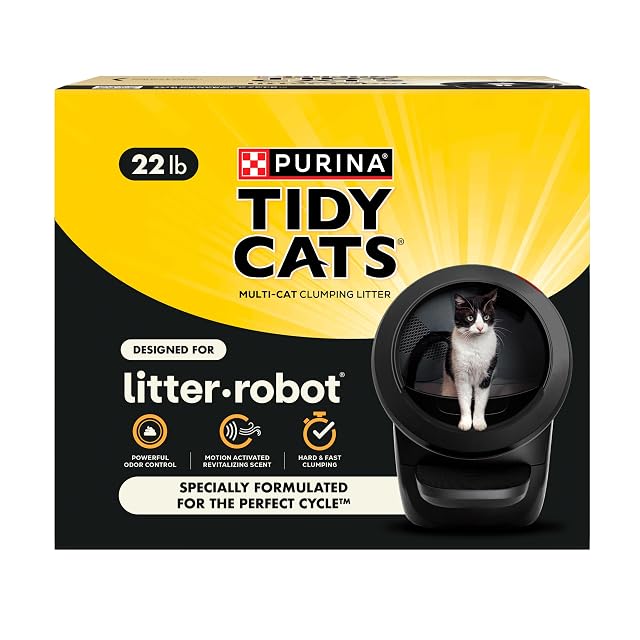
  • $3.58 a kilo, against $2.00 for the Purina litter on this shelf

Best for: A sensor-heavy automatic box, and a cat that has objected to scented litter

Check price on Amazon

Specifications

Weight
16 lb (7.26 kg)
Price per kilo
$3.58
Type
Low-dust clumping clay with probiotics
Odor claim
40+ days
Fragrance
None — stated as a deliberate choice
Sensor benefit
Low dust stated to keep sensors and internals cleaner
Clump behavior
Resists sticking, smearing and breaking apart
Probiotic strain or count
Not published
Machines named
None — "built for automatic cycles"
Amazon reference
B0GHPKXGWJ
EAN
0855978006840

What you are getting

A 16 lb (7.26 kg) box of low-dust probiotic clay litter for automatic boxes, claiming 40+ days of odor control. $25.99 — $3.58 a kilo.

It is the only litter here that mentions the sensors

“Low-dust clay helps keep sensors and internal components cleaner by reducing loose dust and buildup.”

Every automatic box on this site runs on infrared and weight sensors — the PETKIT PuraMax 2 has seven infrared and four weight sensors, the Mimfam four pairs of infrared and three hall sensors. Dust settles on all of them, and a sensor that cannot see the cat is the failure mode the shelf cares most about.

No other litter in this group connects dust to the machine rather than to the air.

Probiotics instead of perfume, stated as a choice

“Probiotics target odor-causing bacteria at the source instead of masking smells with heavy fragrance.”

That sentence is a direct answer to the Purina litter on this shelf, which releases a scent on every cycle. The odor shelf here prefers unscented for a documented reason: fragrance is among the commonest causes of a cat abandoning a working box.

Whether live cultures survive in a bag of clay on a warehouse shelf is not something this page addresses, and no count or strain is given.

Forty days, which is the longest claim on this shelf

“40+ Day Odor Control.” Purina gives no interval at all. Neither publishes how that was measured, with how many cats, or at what room temperature.

Clumps built for the cycle

“Fast-forming clumps resist sticking, smearing, and breaking apart” and “stay intact as the machine sifts, helping reduce residue inside the unit”.

Smearing is the right thing to name: a clump that breaks under the rake leaves a paste that bakes onto the bed, and that residue is what makes an automatic box smell when the machine is still working perfectly.

What is not published

No probiotic strain or count, no dust figure, no clump time, and no machine named. “Built for automatic cycles” covers rake and rotary alike without saying so.

Availability

Read on the day this page was built: $26 at the American Amazon shop.

Read from Keepa on the day this page was last revised; stock and price both move without notice.

Prices quoted in this text were read on 2026-10-06. The live price is at the top of the page.
The questions owners ask

Why does low dust matter in an automatic box?

Because of the sensors. The machines on this site run on infrared and weight sensors — seven and four respectively on the PETKIT PuraMax 2 — and dust settles on all of them. A sensor that cannot see the cat is the failure the shelf cares most about, since it is the one that makes the machine cycle at the wrong moment. This is the only litter in the American survey to make that connection.

Do probiotics actually control odor?

The mechanism is plausible: odor from a litter box comes from bacteria breaking down urea, and competing cultures can slow that. What this page does not give is a strain, a count, or a shelf life, so there is nothing to verify and nothing to compare with another probiotic litter. What is checkable is the alternative it rejects — this litter adds no fragrance, where the Purina litter on this shelf releases scent on every cycle.

Is it worth $1.58 a kilo more than the Purina?

That depends on two things the pages do establish: the dust claim, which protects the machine, and the absence of fragrance, which protects the habit. Neither publishes a usage rate, so the per-kilo figures — $2.00 against $3.58 — are the only direct comparison available.

All litter for automatic boxes